Becoming a successful coach requires more than simply learning theory.
The fitness industry is fast-moving, people-focused, and highly practical. Coaches are expected to communicate confidently, work with different personalities, adapt in real time, and create positive client experiences from day one.
That is why at NHFA, the focus has never been just about helping students pass assessments.
The focus is preparing students for real coaching environments.
Because there is a major difference between understanding coaching concepts on paper and confidently applying them with real people.
The Fitness Industry Demands More Than Knowledge
Many people enter the fitness industry thinking success is built purely on exercise knowledge.
While technical knowledge matters, long-term success as a coach also depends heavily on:
- Communication
- Confidence
- Leadership
- Relationship-building
- Professionalism
- Adaptability
- Coaching presence
Clients do not simply buy workouts.
They buy trust, accountability, guidance, and experience.
This is why developing practical coaching skills is such an important part of becoming a successful Personal Trainer.
Real Coaching Happens In Real Environments
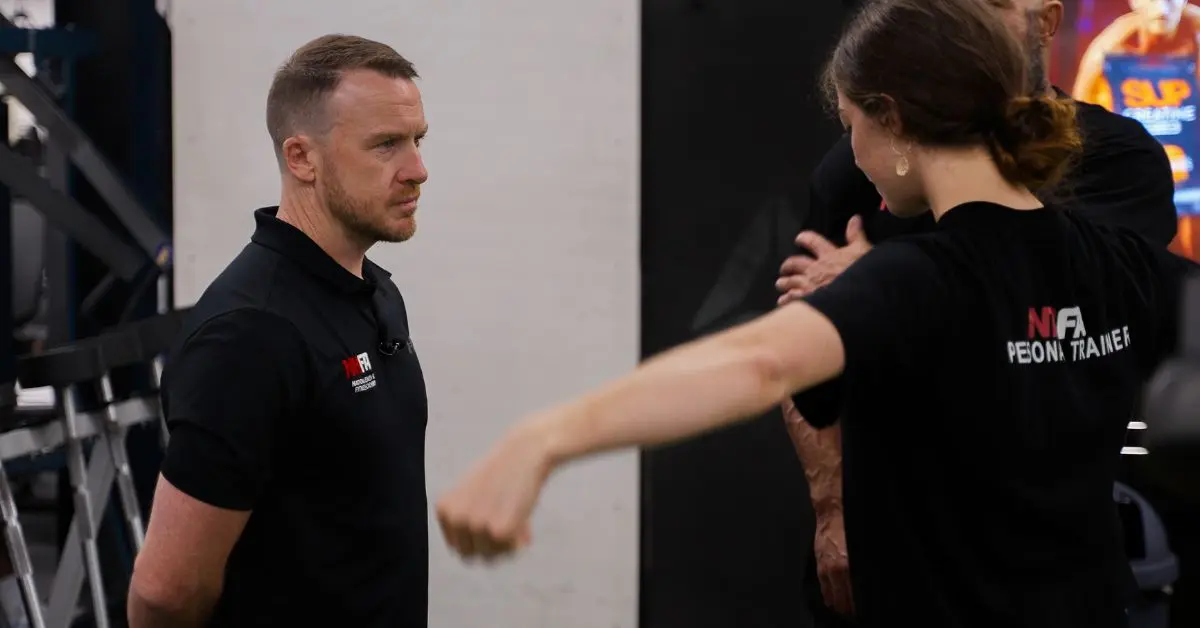
One of the biggest advantages of the NHFA learning experience is the face-to-face practical environment.
Students are not isolated from the realities of the industry.
They learn inside real gym environments, surrounded by:
- Equipment
- Coaches
- Members
- Training culture
- Real-world coaching situations
This helps students build familiarity and confidence within the environments they may eventually work in professionally.
Learning coaching skills in a live environment creates a completely different experience compared to purely theory-based learning alone.
Coaching Confidence Is Built Through Repetition
Confidence is not built by watching content endlessly.
It is built through action.
That is why NHFA places strong emphasis on practical application and repetition throughout the learning journey.
Students develop confidence through:
- Coaching movement patterns
- Delivering exercise instruction
- Practising communication skills
- Working through assessments practically
- Learning how to adapt exercises
- Receiving feedback from experienced coaches
The more exposure students get to practical coaching environments, the more prepared they become for real industry situations.
Students Learn From Coaches With Real Industry Experience
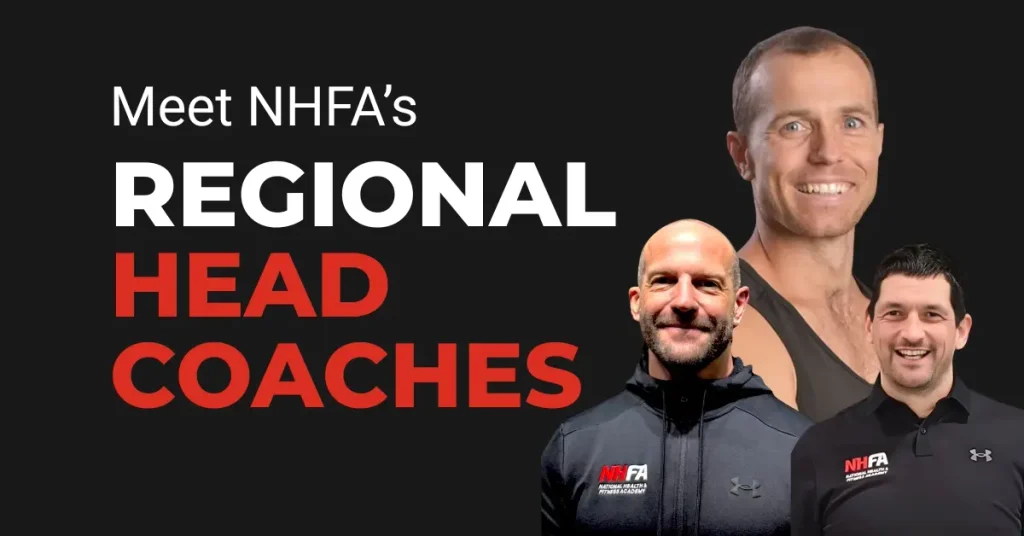
At NHFA, students are mentored by expert coaches who actively understand the fitness industry from multiple perspectives.
This includes experience across:
- Personal Training
- Strength and Conditioning
- Online Coaching
- Studio Coaching
- Health Club Management
- Business Ownership
This matters because the industry has evolved significantly.
Modern coaches need more than technical programming knowledge.
They need to understand:
- Client communication
- Behaviour change
- Professionalism
- Retention
- Coaching systems
- Career development
- Real-world coaching expectations
Learning from experienced industry professionals helps students understand what coaching actually looks like beyond qualification requirements.
The Goal Is Career Readiness, Not Just Certification
A qualification is important.
But qualifications alone do not automatically create confidence or industry readiness.
At NHFA, the goal is helping students feel prepared to step into coaching environments with practical skills they can actually apply.
That includes developing the ability to:
- Communicate professionally with clients
- Deliver sessions confidently
- Build trust and rapport
- Understand client needs
- Coach movement safely and effectively
- Adapt to different personalities and goals
The transition into the fitness industry feels very different when students have already spent time learning inside practical coaching environments.
The Industry Has Changed — Coaching Skills Matter More Than Ever
The modern fitness industry is no longer just about writing workouts.
Clients now expect coaches who can:
- Communicate clearly
- Build relationships
- Create accountability
- Support behaviour change
- Deliver positive client experiences
- Adapt coaching to individual needs
This is why NHFA places strong focus not only on exercise science and programming, but also on the human side of coaching.
Because long-term success in the industry is often built on the ability to work with people effectively.
Practical Learning Creates Better Coaches
There is a big difference between memorising information and applying it confidently in real time.
Practical learning environments help students:
- Develop communication confidence
- Improve coaching presence
- Learn problem-solving skills
- Become more adaptable
- Gain exposure to different coaching situations
These are the skills that often separate capable coaches from inexperienced ones early in their careers.
The more practical exposure students receive, the more naturally coaching skills begin to develop.
Students Are Surrounded By Like-Minded People
Another important part of the NHFA environment is the community experience.
Students are surrounded by people working toward similar goals, building careers within the same industry, and pushing themselves to grow professionally.
This creates an environment built around:
- Accountability
- Motivation
- Support
- Shared growth
- Industry connection
For many students, the relationships and confidence developed during the course become just as valuable as the qualification itself.
Preparing Students For Long-Term Industry Success
The fitness industry continues evolving rapidly.
Today’s coaches are expected to understand far more than basic exercise delivery alone.
Modern coaches often need skills across:
- Personal Training
- Communication
- Client retention
- Nutrition support
- Online coaching
- Behaviour change
- Business and professionalism
That is why NHFA focuses on helping students build practical, adaptable coaching skills designed for real industry environments, not just classroom scenarios.
Because coaching success is built through application, not theory alone.
Final Thoughts
At NHFA, preparing students for real coaching environments means going beyond basic certification.
It means helping students develop:
- Practical coaching confidence
- Communication skills
- Professionalism
- Real-world coaching experience
- Leadership and accountability
- Industry readiness
Because great coaches are not built through theory alone.
They are developed through repetition, practical experience, mentorship, and learning how to work with real people in real coaching environments.
The goal is not simply to help students qualify.
The goal is to help them step into the industry prepared, confident, and capable of building long-term careers in fitness.
Ready to become a successful pt?
speak with an NHFA Course Advisor today
To map out your roadmap with clarity and take the first step toward a career backed by practical skills, confidence, and real-world support.
Enquire Now