Knowing how the body works is essential to becoming a good fitness professional.
But knowing something and knowing how to apply it are two very different skills.
For aspiring Personal Trainers, this distinction matters. A qualification can provide the theoretical knowledge required to understand anatomy, exercise principles, programming and client safety. But Personal Training is ultimately a practical profession. Coaches work with real people, in real environments, with different goals, abilities, personalities and challenges.
That means practical experience should be a central part of fitness education, not something that begins after graduation.
Theory Gives You Knowledge. Practice Builds Capability.
Theory provides the foundation.
You need to understand how the body moves, how exercise affects different populations, how to assess clients and how to develop appropriate training programs. These are essential components of becoming a qualified fitness professional.
But a Personal Trainer doesn’t coach a textbook. They coach people.
A client might struggle to perform an exercise correctly. Someone may arrive with limited confidence in a gym environment. Another client might need an exercise modified because their ability, experience or circumstances have changed.
Knowing the theory helps you understand what to do.
Practical experience helps you understand how to do it.
That difference is where coaching capability develops.
What Practical Training Teaches You That a Textbook Can’t
There are aspects of Personal Training that are difficult to develop through theory alone.
Communication is one.
A coach needs to explain exercises clearly, give useful feedback and adjust their communication depending on the person in front of them.
Confidence is another.
The first time you coach someone through an exercise is very different from reading about coaching techniques. Repetition builds familiarity, and familiarity builds confidence.
Then there’s adaptability.
Real clients don’t always perform exercises exactly as expected. Their energy, ability and motivation can change from one session to the next. Practical experience gives aspiring coaches opportunities to work through these situations and develop the judgement required to respond appropriately.
These are coaching skills. And they develop through doing.
Learning in a Real Gym Environment Matters
The environment in which you learn can influence how prepared you feel when you enter the industry.
A real gym contains equipment, members, movement, noise, different training styles and the everyday interactions that make up a fitness professional’s working environment.
Learning within that environment helps students become familiar with what the profession actually looks like.
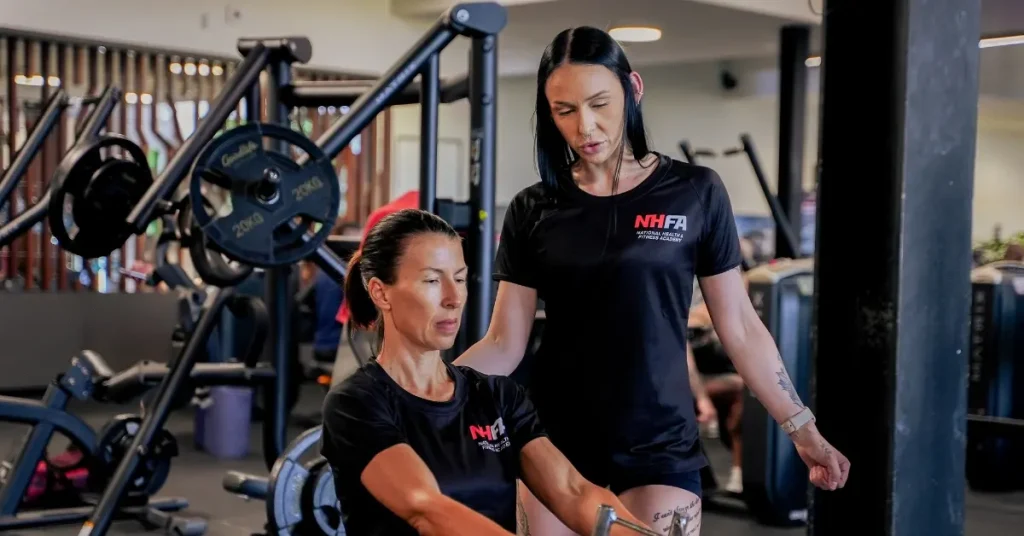
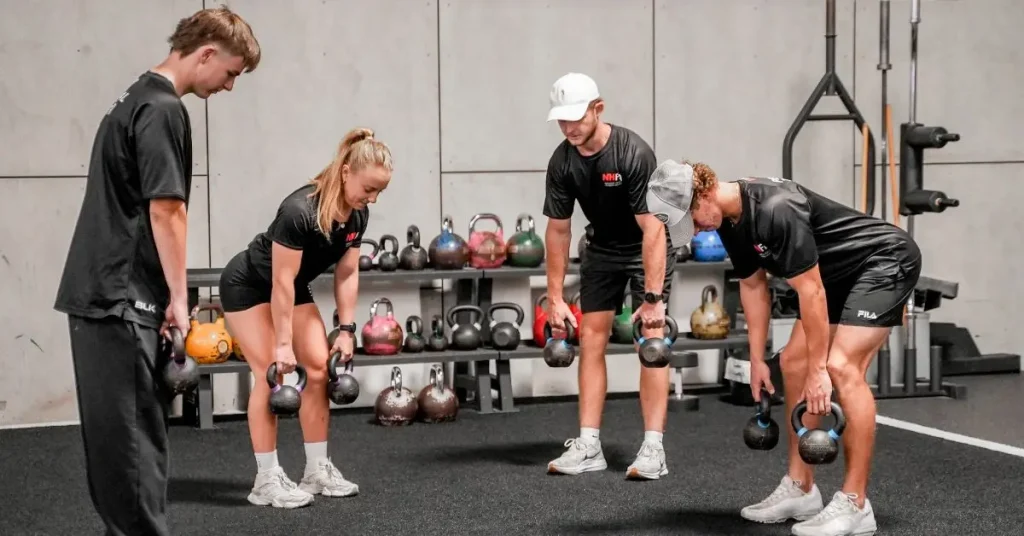
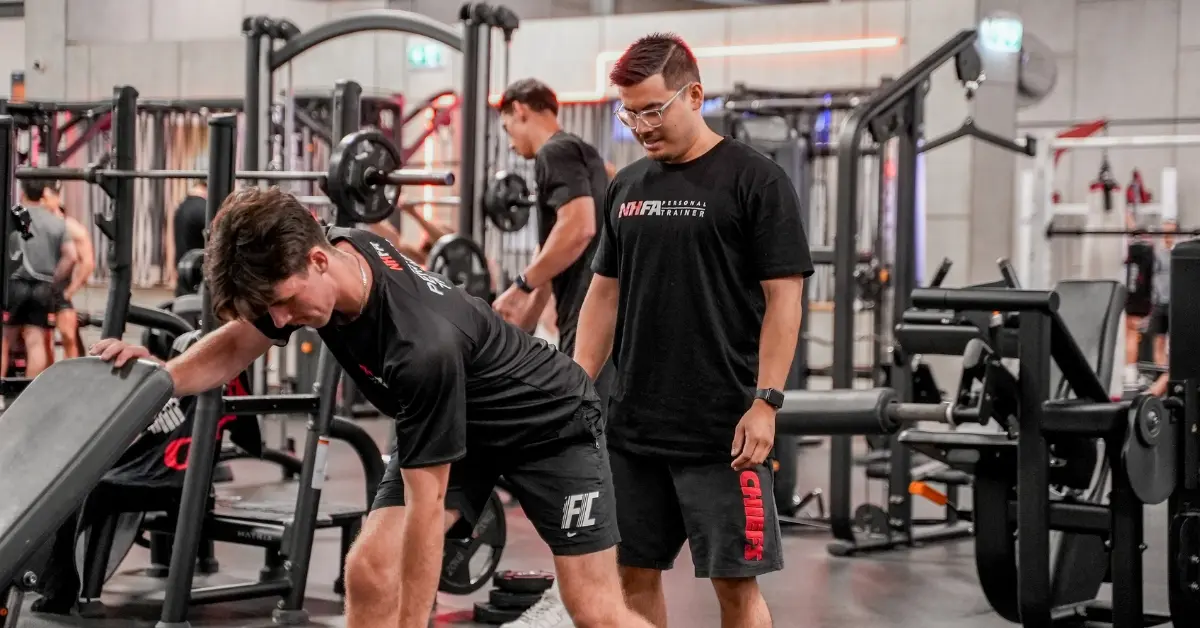
At NHFA, face-to-face practical training gives students the opportunity to learn directly from experienced coaches, refine their coaching skills and apply their knowledge in a real fitness environment. Working with gym equipment, practising coaching techniques and interacting with different people helps students build the practical capability and confidence they need to step into the fitness industry.
This creates an important connection between education and the workplace.
Students aren’t simply learning about Personal Training. They’re beginning to practise it.
Practical Experience Builds Professional Confidence
Confidence isn’t something that can simply be taught. It develops through capability.
When a student understands how to conduct an assessment, demonstrate an exercise, provide feedback or structure a session, confidence grows because there is evidence behind it. This is one of the core principles behind NHFA’s approach to fitness education: capability creates confidence.
At NHFA, practical learning is central to preparing students for the realities of the fitness industry. The focus extends beyond gaining knowledge to developing the skills, confidence and competence needed to apply that knowledge effectively in real coaching environments.
That distinction is important.
The goal isn’t simply to produce graduates who know more. It’s to produce graduates who can apply what they know.
Practical Coaching Develops Better Client Skills
Personal Training is not simply about prescribing exercises. It’s about working with people.
A coach needs to build rapport, understand a client’s goals, communicate effectively, provide appropriate guidance and create an experience that encourages clients to stay engaged.
These interpersonal skills develop through interaction.
Students need opportunities to practise introducing themselves, asking questions, explaining movements, giving feedback and responding to different situations.
Each interaction provides another opportunity to refine their approach.
Over time, this helps students move from thinking like someone completing a course to thinking like a professional coach.
Practical Training Helps Bridge the Gap Between Study and Work
One of the biggest challenges facing new fitness professionals is transitioning from being a student to working with real clients. The theory may be familiar. The environment isn’t.
Practical training helps reduce that gap.
By learning within a real fitness environment and applying concepts through hands-on coaching, students can begin developing an understanding of what will be expected of them once they enter the industry.
This is particularly valuable when studying the SIS40221 Certificate IV in Fitness, which builds on the foundation provided by Certificate III and prepares graduates for the responsibilities of working as a Personal Trainer.
Does Theory Still Matter?
Absolutely.
Practical experience shouldn’t replace theoretical knowledge. It should bring it to life.
A capable Personal Trainer needs both. Theory helps a coach understand why something is appropriate. Practical experience helps them understand how to apply that knowledge effectively.
Without theory, practical coaching can lack depth and understanding. Without practical experience, knowledge can remain difficult to apply confidently. The strongest fitness education connects the two.
Learn it. Practise it. Apply it. Refine it.
That’s how capability develops.
What Should You Look for in a Personal Trainer Course?
If you’re researching how to become a Personal Trainer, don’t only compare course duration, delivery methods or qualification titles.
Look at how much opportunity you’ll have to develop practical coaching skills.
Ask questions such as:
- How much face-to-face practical training is included?
- Will I learn in a real gym environment?
- Can I practise coaching with other students?
- Will experienced industry professionals teach the practical components?
- How will I develop confidence using gym equipment?
- Will the course help me apply theory to realistic coaching situations?
These questions can tell you considerably more about the learning experience than a course outline alone. Because when you’re preparing for a practical profession, how you learn matters.
The Measure of Fitness Education Is What You Can Do
A student can finish a course with pages of notes, completed assessments and a strong understanding of theoretical concepts. But the more important question is:
Can they confidently apply that knowledge when working with a real person?
That is the standard that matters in the fitness industry.
NHFA was created specifically to bridge the gap between fitness education and real coaching capability. Its model combines structured learning with hands-on training, industry-relevant knowledge, real-world application and professional confidence.
The objective is straightforward.
Prepare students not just to qualify, but to become capable coaches.
Final Thoughts
Theory is an essential part of becoming a Personal Trainer. But theory alone doesn’t teach you how to coach.
Practical experience develops the judgement, communication, adaptability and confidence required to take knowledge from a course and apply it with real people.
That’s why practical training should be considered one of the most important factors when choosing a Personal Trainer course in Australia.
At NHFA, practical learning is central to the student experience. Students learn from experienced industry professionals and apply their knowledge through face-to-face training in professional fitness environments. Because the goal of fitness education isn’t simply to know more. It’s to become capable of doing more.
And for a future Personal Trainer, that’s where real education begins.
Start your PT Career today
PERSONAL TRAINING & FITNESS COURSES AUSTRALIA-WIDE
Schedule a quick call with our Course Advisors and get all of your questions answered!
Enquire Now