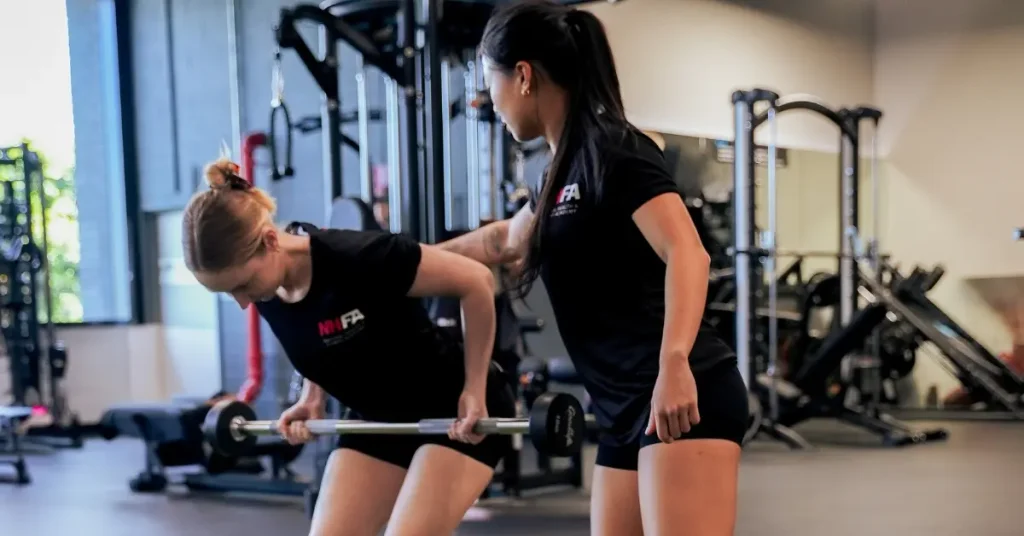
World Kindness Day, observed on 13 November each year, is a reminder to consider how small acts of kindness can make a difference in our everyday lives. But kindness doesn’t have to stop with how we treat other people. It can also shape the way we treat ourselves.
Being kinder to your body means recognising that health isn’t about constantly changing how you look or meeting unrealistic expectations. It’s about understanding what your body needs, appreciating what it allows you to do and making choices that support your wellbeing.
So, how can you be kinder to your body? It starts with everyday habits that make looking after yourself feel less like an obligation and more like a natural part of life.
Here are seven ways to begin.
1. Move for how it makes you feel
Exercise is often presented as a way to change physical appearance. While people may have personal goals relating to strength, fitness or body composition, movement can offer value beyond visible results.
Walking, swimming, dancing, cycling or strength training can help you develop physical capacity and stay active in ways that suit your interests and abilities.
A kinder approach to exercise starts by asking what movement feels right for you. That might mean taking a walk outdoors, trying a group activity or choosing a lighter session when your energy is low.
The goal isn’t to punish your body for what it looks like. It’s to give it opportunities to move, develop and do the things that matter to you.
2. Nourish yourself without unnecessary guilt
Food provides the energy and nutrients your body needs to function. It also plays an important role in culture, connection, enjoyment and everyday life.
A positive relationship with food doesn’t require perfect meals or strict rules. Instead, focus on variety, balance and eating in a way that supports your individual needs.
For example, you might add more vegetables to a meal, prepare lunch ahead of a busy day or make time to enjoy a meal with family and friends.
There’s room for different foods in a balanced eating pattern. One meal doesn’t define your health, and food choices shouldn’t become a source of constant guilt. If you need guidance for a particular health or nutritional concern, an accredited practising dietitian can help you understand what is appropriate for you.
3. Make rest and recovery part of your routine
Rest isn’t something you need to earn after being productive or exercising hard. It’s a normal part of looking after your body.
Sleep, quieter periods and time between demanding training sessions all contribute to how you manage the physical demands of everyday life.
For adults aged 18-64, Australia’s 2026 movement guidelines recommend seven to nine hours of good-quality sleep each night. Individual needs and circumstances can vary, but making sleep a priority is a practical place to start.
You can also practise kindness by adjusting a workout when you’re feeling unusually fatigued, allowing time between challenging sessions or choosing a less demanding activity when needed.
Recovery isn’t a sign of lost discipline. It’s part of a balanced approach to physical wellbeing.
4. Listen to your body’s signals
Your body communicates in different ways. Hunger, thirst, fatigue, discomfort and changes in energy can all provide useful information about what you might need.
Listening to those signals means giving yourself permission to respond rather than automatically pushing through.
For example, if you’re feeling tired, consider whether you need a break, food, water or a change in activity. If exercise causes pain or discomfort, don’t assume you should ignore it to finish a session.
Persistent, unexplained or concerning symptoms deserve appropriate professional advice. A health professional can help you understand what is happening and what steps to take.
Being attentive to your body doesn’t mean interpreting every sensation as a problem. It means taking your needs seriously.
5. Set realistic expectations and avoid comparison
It’s easy to compare your body, fitness level or progress with what you see online. But social media rarely shows the full picture of someone’s circumstances, health history or everyday life.
Your body has its own needs and experiences. Comparing it with someone else’s can create expectations that have little connection to what is right for you.
Instead, set expectations around your own circumstances. Consider what you can reasonably manage, what support you might need and what progress means beyond appearance.
A realistic goal could be feeling more confident with a particular movement, making time for regular activity or becoming more comfortable asking for professional guidance.
You don’t need to follow someone else’s timeline to make meaningful choices for your health.
6. Appreciate what your body can do, not just how it looks
Body appreciation is about recognising your body as more than its appearance.
It might be the strength that helps you carry groceries, the mobility that allows you to play with your children, the endurance that helps you enjoy a walk or the coordination you develop through learning a new skill.
You don’t have to feel positive about every part of your appearance every day to treat your body with respect.
Try shifting your attention towards what your body helps you experience. You might acknowledge a small improvement in strength, appreciate being able to move comfortably or simply recognise the everyday tasks your body supports.
Your worth isn’t measured by your shape, size or fitness level.
7. Build healthy habits you can sustain
Being kind to your body isn’t about making seven major changes at once. It’s about finding small actions that make sense for your life and repeating them when you can.
That could mean taking a short walk during your lunch break, keeping water nearby, preparing a nourishing meal or setting aside time to unwind before bed.
Start with one habit that feels manageable. Once it becomes part of your routine, you can consider what else might support your wellbeing.
There will be weeks when your plans change. Work, family responsibilities, illness and other commitments can affect what you have time or energy to do. Adjusting your expectations during those periods is part of building habits that last.
Consistency doesn’t mean getting everything right. It means finding ways to return to the behaviours that matter without treating every interruption as failure.
Make kindness an everyday habit
Being kinder to your body doesn’t require an expensive wellness routine, a strict meal plan or an ambitious fitness challenge. It starts with recognising that your body deserves care at every stage of life, not only when you’re working towards a particular goal.
Move in ways that suit you. Nourish yourself without unnecessary guilt. Make room for rest, listen to your needs and appreciate what your body allows you to do.
These choices may seem ordinary, but they reflect a more considered approach to health and wellbeing.
At NHFA, we believe good fitness education starts with understanding people, not simply prescribing exercises. Effective coaching recognises that every person has different needs, circumstances and goals. The same principle applies to looking after yourself.
This World Kindness Day, consider one small way you can show your body a little more care. Not because it needs to change, but because it deserves to be looked after.