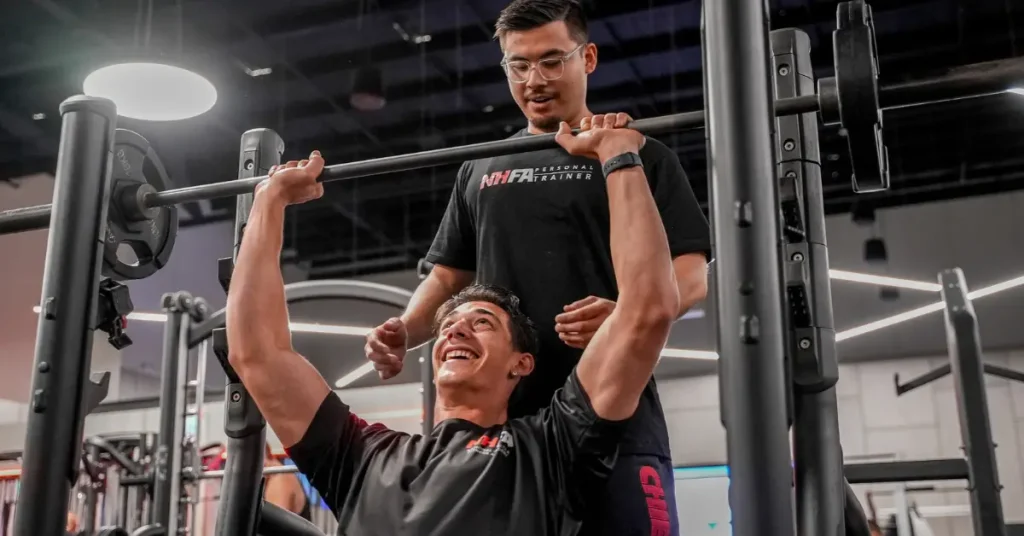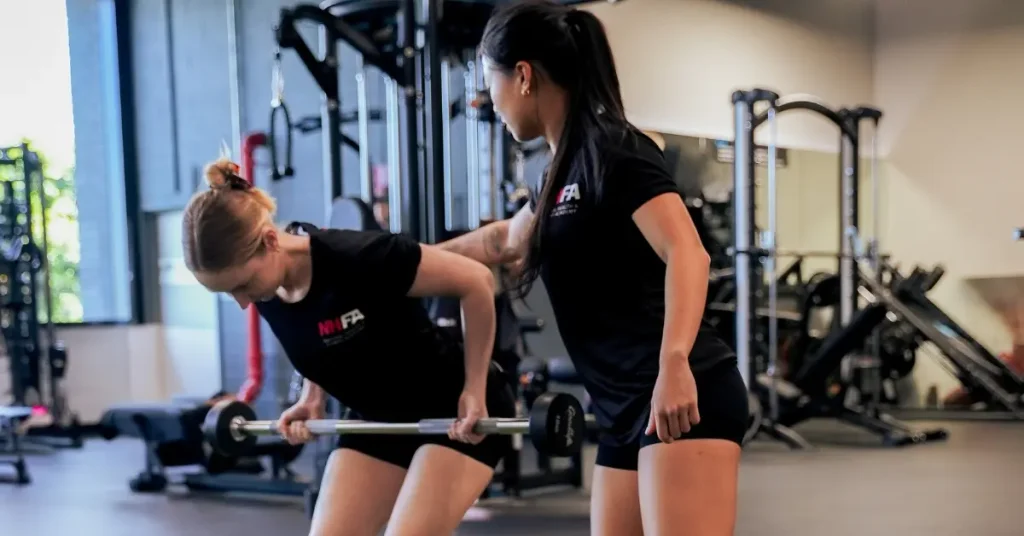

Walking into a gym for the first time, or even after a long break can feel intimidating.
You might worry that everyone knows what they’re doing except you. Maybe you’re unsure how to use the equipment, what exercises to do, or whether you’re “doing it right.” It’s a common experience, and one of the biggest reasons people stop exercising before they ever build momentum.
The good news is that confidence in the gym doesn’t come from knowing every exercise or following the latest fitness trend. It comes from having a simple plan.
When you walk into the gym knowing exactly what you’re there to do, uncertainty is replaced with purpose. Instead of wandering between machines or copying someone else’s workout, you can focus on building good habits and making steady progress.
If you’re new to strength training, here’s a simple weekly workout structure that can help you feel more confident every time you train.
Confidence Comes From Preparation
Many beginners believe they need to feel confident before they start exercising. In reality, confidence is built through repetition.
The more often you complete planned workouts, the more familiar the gym becomes. Equipment feels less intimidating, exercises become more natural and you begin trusting your ability to train independently.
One of the easiest ways to build that confidence is by following the same basic structure each week.
Rather than searching for a new workout every visit, keep things simple and allow yourself time to master the fundamentals.
Focus on Movement, Not Machines
It’s easy to become overwhelmed by the number of machines in a commercial gym.
Instead of thinking about individual pieces of equipment, think about the movements your body performs.
A well-balanced workout should include these fundamental movement patterns:
- Squat
- Hinge
- Push
- Pull
- Single-leg movement
- Rotation or anti-rotation
- Carry
These movement patterns train your entire body while improving strength, coordination and everyday function.
Once you understand these movements, you’ll realise there are multiple exercises that achieve the same goal, giving you confidence no matter which gym you visit.
A Simple Full-Body Workout Structure
For most beginners, two to three full-body workouts each week provide an excellent foundation for building strength and confidence.
Rather than dedicating one day to lower body and another to the upper body, each session includes movements that work for your entire body, alternating between lower-and-upper-body exercises throughout the workout. This approach allows you to train each major movement pattern while allowing sufficient recovery between exercises, helping you maintain good technique and training quality throughout the session.
A simple workout might look like this:
| Movement Pattern | Example Exercise |
| Squat | Goblet Squat or Bodyweight Squat |
| Push | Dumbbell Bench Press or Push-Up |
| Hinge | Romanian Deadlift or Kettlebell Deadlift |
| Pull | Seated Cable Row or Lat Pulldown |
| Single-Leg | Static Lunge or Step-Up |
| Core (Rotation/Anti-Rotation) | Russian Twist or Bird Dog |
| Carry (Optional) | Farmer’s Carry |
Choose one exercise from each category and complete:
- 2-3 sets
- 8-12 repetitions (where appropriate)
- 60-90 seconds rest between sets
This approach keeps your workouts structured without becoming overly complicated.
Keep Your Workouts Around 45 to 60 Minutes
One of the biggest misconceptions is that longer workouts produce better results.
They don’t.
For beginners, a focused session lasting 45 to 60 minutes is usually more than enough.
Trying to squeeze in every machine or every exercise often leads to fatigue without improving results.
A shorter workout completed consistently will always outperform an ambitious routine you struggle to maintain.
You Don’t Need to Lift Heavy Straight Away
Many people feel pressured to lift the same weights as everyone else in the gym.
Remember, everyone starts somewhere.
Choose a weight that allows you to complete your repetitions with good technique while still feeling challenged during the final few reps.
Building confidence begins with mastering movement quality, not chasing heavier weights.
As your technique improves, your strength will naturally follow.
Progress by Making Small Improvements
You don’t need to reinvent your workout every week. In fact, keeping your exercises consistent makes it much easier to track progress.
Once an exercise starts feeling comfortable, you can progress by:
- Increasing the weight slightly
- Adding extra repetitions or adding an extra set
- Adjusting the tempo
- Reducing rest time where appropriate
These small improvements, repeated over time, create meaningful long-term results.
Remember That Everyone Started Somewhere
It’s easy to assume everyone around you is watching. In reality, most people are focused on their own workout.
Every experienced gym-goer was once a beginner learning how to use equipment, understand technique and build confidence. The gym isn’t a place where you’re expected to know everything. It’s a place where you’re there to learn, improve and become stronger over time.
Giving yourself permission to be a beginner is one of the most important steps towards feeling comfortable in the gym.
Confidence Grows Through Consistency
There isn’t a shortcut to feeling confident. It develops through showing up, practising the basics and recognising your own progress.
Some workouts will feel easier than others. Some days you’ll feel stronger, while other days simply walking through the doors is a win.
What matters most is continuing to build the habit.
Over time, the gym becomes less intimidating; not because it changes, but because you do.
At NHFA, we believe the best fitness programmes aren’t the most complicated, they’re the ones built on strong movement foundations, progressive coaching and practical knowledge. Learning how to structure effective workouts and understand why they work helps people train with greater confidence, whether they’re improving their own fitness or supporting others on their health journey.
Key Takeaways
- Confidence in the gym comes from preparation and consistency, not experience.
- Following a simple full-body workout structure removes guesswork and helps you stay focused.
- Build workouts around fundamental movement patterns rather than individual machines.
- Aim for two to three strength sessions each week, lasting around 45 to 60 minutes.
- Focus on good technique before increasing weight.
- Progress gradually by making small improvements over time.
- Remember that everyone starts as a beginner, and confidence grows with every workout.
Final Thoughts
Walking into the gym can feel intimidating, but it becomes much easier when you have a clear plan and realistic expectations.
You don’t need the perfect workout or years of experience to get started. By focusing on fundamental movements, following a simple weekly structure and committing to consistent practice, you’ll build more than just strength, you’ll build confidence that extends beyond the gym.
The best workout isn’t the most advanced one. It’s the one you can return to week after week, knowing you’re becoming stronger, more capable and more confident every step of the way.