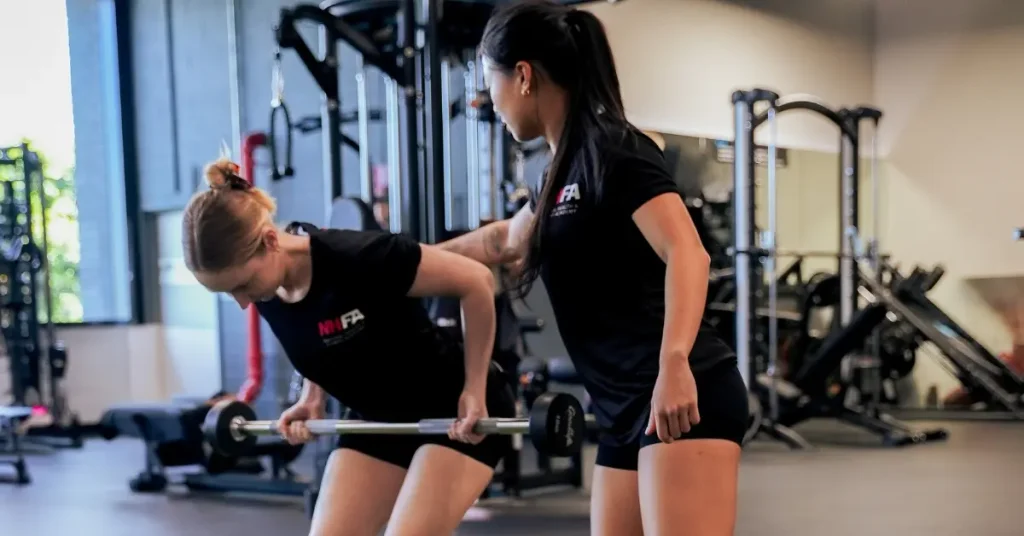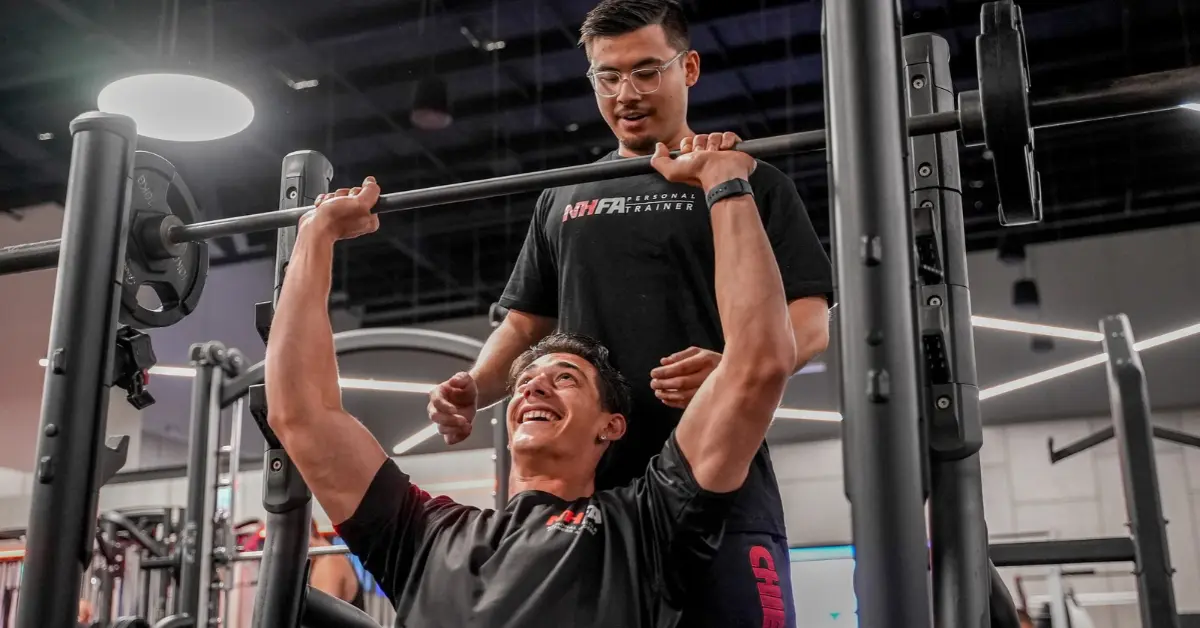
If you’ve been going to the gym consistently but feel like your strength has stopped improving, the answer may not be to train harder. It may be to understand how your training is progressing.
Progressive overload is the principle of gradually increasing the demands placed on your body as it adapts to exercise. This can involve lifting more weight, completing additional repetitions, increasing sets or improving how you perform an exercise.
The key is to progress at a pace that suits your ability, goals and recovery. You don’t need to make every workout harder to improve. You need to apply the right challenge over time.
What Is Progressive Overload
Progressive overload means gradually adjusting your training stimulus to encourage continued adaptation.
When you first start strength training, an exercise may feel challenging. As your body adapts, the same workload can become more manageable. To continue progressing, you may eventually need to introduce a greater or different demand.
This doesn’t mean increasing the weight every session. Progression depends on your training experience, exercise technique, goals and ability to recover.
The principle is simple: challenge your body appropriately, allow it to adapt, then adjust your training when you’re ready.
How Does Progressive Overload Work
Your body responds to the demands placed on it through exercise. With consistent training and adequate recovery, you can develop greater strength, muscular endurance and other fitness adaptations.
For example, imagine performing three sets of eight repetitions on a leg press. Initially, completing those repetitions may feel difficult. After several weeks, the same workload might feel more manageable, and you may be capable of completing more repetitions with good technique.
That improvement gives you a reason to consider progressing the exercise.
You could increase the repetitions or, when appropriate, use a slightly heavier load. The goal is to maintain a productive challenge without compromising technique.
Progress isn’t always linear. Sleep, stress, nutrition and fatigue can affect how you perform from one session to the next. Look for improvements over time rather than expecting every workout to be better than the last.
Five Ways to Apply Progressive Overload
Adding weight is one way to progress, but it isn’t the only option. Choose a method that supports your training goals and current ability.
1. Increase the Weight
Increasing resistance is a common approach to progressive overload.
If you can consistently complete your planned repetitions with good technique, you may be ready to try a small increase in weight. The new load should still allow you to control the movement and perform the exercise as intended.
If the heavier weight causes you to shorten the movement or lose control, the increase may be too large.
2. Complete More Repetitions
You can also progress without changing the weight.
For example, if your programme calls for three sets of eight squats, you might gradually work towards nine or ten repetitions using the same load.
Completing more repetitions with consistent technique can be a meaningful sign of improvement, particularly when you’re still developing strength or have limited equipment available.
3. Add a Set When Appropriate
Increasing the number of working sets can increase the total amount of training you complete.
For example, you might progress from two sets of an exercise to three if the additional work supports your goals and fits your recovery capacity.
More isn’t automatically better. Before adding sets, consider whether you need more training volume or whether you can continue progressing within your existing programme.
4. Improve Technique and Range of Motion
Progress can also involve performing an exercise with greater control or through a more appropriate range of motion.
Someone learning a squat, for instance, may initially focus on balance and controlled movement. As their capability improves, they may be able to perform the exercise through a greater comfortable range while maintaining good technique.
This can create a stronger foundation for future progression. However, range of motion should suit the individual and should not come at the expense of control or comfort.
5. Adjust Tempo or Exercise Difficulty
Slowing the lowering phase of a repetition or moving to a more demanding exercise variation can change the challenge.
This can be useful when equipment is limited or when your programme calls for a different stimulus. However, making an exercise more complicated or exhausting doesn’t automatically make it more effective.
Every adjustment should have a clear purpose.
How Do You Know When to Increase Weights or Repetitions?
A practical approach is to work within a target repetition range rather than expecting to lift heavier every week.
Suppose your programme prescribes three sets of eight to ten repetitions. You begin with eight and gradually build towards ten while maintaining good technique and an appropriate level of effort.
Once you can consistently complete the upper end of that range across all your sets, you can consider increasing the weight slightly. You may then return to the lower end of the repetition range and build up again.
This approach, often called double progression, provides a clear way to track improvement.
Before increasing the load, consider three things:
- Technique: Can you perform the exercise with control and the intended range of motion?
- Performance: Can you consistently complete your prescribed sets and repetitions?
- Recovery: Are you recovering well enough to manage an increase in training demands?
If these factors are in place, a small adjustment may be appropriate. If not, maintaining your current workload can be the better decision.
Can You Make Progress Without Lifting Heavier Weights?
Yes. Progressive overload doesn’t require heavier weights at every session.
You can progress through additional repetitions, more sets where appropriate, improved exercise control or more demanding variations. The best option depends on your goals and circumstances.
For example, someone training at home with limited equipment might gradually increase repetitions or move to a more challenging bodyweight exercise. Someone focused on improving strength may prioritise increasing resistance when they can do so with sound technique.
Research indicates that progression through load and repetitions can both support muscular adaptations, although the results depend on the training approach and outcome being measured.
The important point is to choose a method that creates an appropriate challenge, rather than treating heavier weights as the only measure of success.
Why Recovery and Consistency Matter
Progressive overload works alongside recovery, not instead of it.
Your body needs time to respond to training. Sleep, nutrition, stress and the time between demanding sessions can all influence your ability to perform and recover.
If your performance is consistently declining or fatigue is making your usual training difficult, increasing the load may not be the right next step. You may need to review your training demands and recovery before progressing.
Consistency also gives you a meaningful basis for judging improvement. Keeping a simple training record of exercises, weights, sets and repetitions helps you identify patterns and make decisions based on your performance rather than memory.
Progress may slow at times, particularly as you become more experienced. That doesn’t automatically mean your programme has failed.
Common Progressive Overload Mistakes
The most common mistake is treating progression as a race to lift more every session.
Increasing resistance before you’re ready can compromise technique. Adding weight, sets and repetitions all at once can also increase fatigue and make it difficult to identify which changes are helping.
Another mistake is measuring a workout by how exhausted you feel afterwards. Fatigue alone isn’t a reliable indicator of progress.
Instead, track your performance, make deliberate adjustments and give yourself time to assess the results. If you’re new to strength training or unsure how to progress safely, guidance from a qualified fitness professional can help you develop an appropriate approach.
Building a More Effective Training Approach
Progressive overload is one part of effective exercise programming. It works best when your training reflects your goals, current ability and capacity to recover.
For beginners, that may mean learning to perform exercises consistently before adding resistance. For more experienced gym-goers, it may involve monitoring training volume and making smaller, more deliberate adjustments.
Understanding these decisions is also an important part of professional fitness education. NHFA’s Certificate IV in Fitness develops knowledge and skills in exercise programming, exercise science principles and adapting programmes to individual client needs.
For those considering a career as a Personal Trainer, learning how to plan, assess and progress exercise programmes is an important part of developing the skills to support clients effectively.
Final Thoughts
Progressive overload isn’t about making every workout harder. It’s about recognising when your body has adapted to a training demand and making a considered adjustment to support further improvement.
Track your performance, focus on technique and choose a progression method that suits your goals. Increase resistance when you’re ready, use other training variables when appropriate, and allow enough recovery to keep training consistently.
The most effective progression isn’t the biggest change you can make. It’s the right change you can sustain and build on over time.