
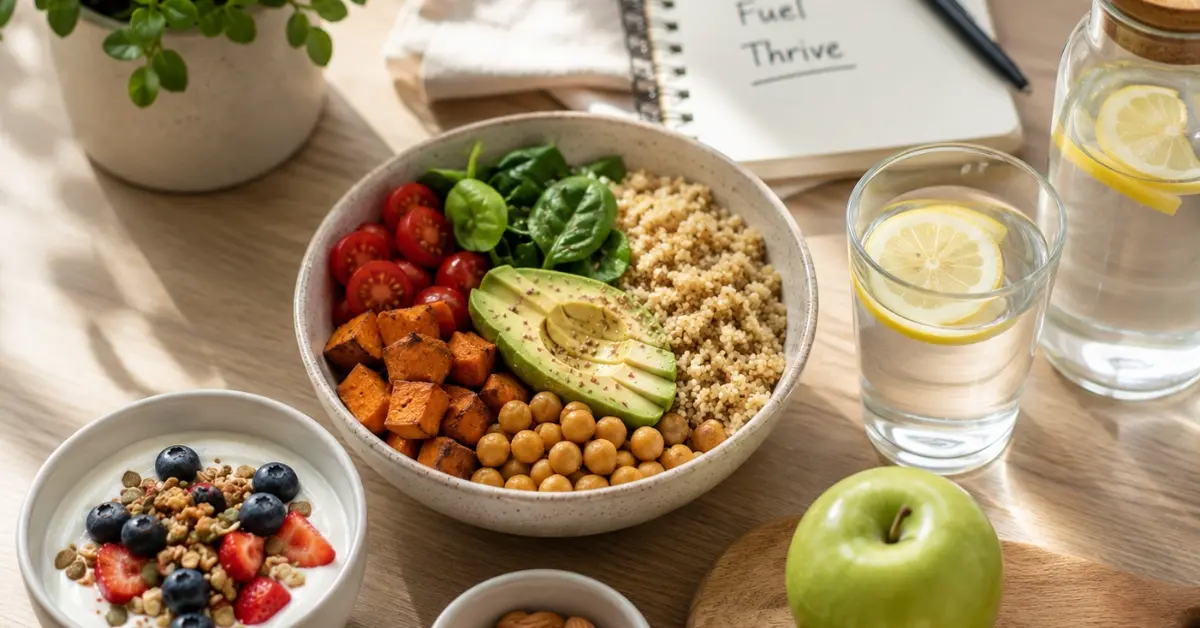
Ever find yourself reaching for another coffee by mid-morning, struggling through the afternoon slump or feeling like you never quite have enough energy to get through the day?
While a lack of sleep and busy schedules certainly play a role, your nutrition habits may be having a bigger impact than you realise.
Many people assume that eating for energy means following a restrictive diet or buying expensive supplements. In reality, consistent energy often comes down to simple, sustainable habits that support your body’s natural needs.
The foods you eat provide the fuel your body relies on to think clearly, move well and recover from daily demands. By making a few practical changes to your routine, you can improve your energy levels without overcomplicating your nutrition.
Here are some simple habits that can help you feel more energised every day.
Don’t Skip Breakfast If It Works for You
Breakfast isn’t mandatory for everyone, but if you’re someone who wakes up hungry or notices your energy drops early in the day, starting with a balanced meal can help.
Rather than relying on sugary cereals or pastries, aim to include:
- A source of protein
- High-fibre carbohydrates
- Healthy fats
For example:
- Greek yoghurt with berries and oats
- Eggs on wholegrain toast with avocado
- Overnight oats with chia seeds and nuts
These combinations provide slower-releasing energy that can help you stay fuller and more focused throughout the morning.
Include Protein at Every Meal
Protein is often associated with muscle growth, but it also plays an important role in keeping you satisfied and maintaining stable energy levels.
Including protein throughout the day may help reduce energy crashes and prevent constant snacking.
Good everyday protein sources include:
- Eggs
- Chicken
- Lean beef
- Fish
- Greek yoghurt
- Cottage cheese
- Tofu
- Legumes
- Protein milk
Aim to build meals around a quality protein source before adding carbohydrates and vegetables.
Choose Carbohydrates That Work With You
Carbohydrates are your body’s preferred energy source.
Rather than avoiding them, focus on choosing carbohydrates that provide longer-lasting fuel.
Examples include:
- Oats
- Brown rice
- Sweet potato
- Wholegrain bread
- Wholemeal pasta
- Fruit
- Quinoa
These foods digest more slowly than highly processed carbohydrates, helping provide steadier energy throughout the day.
Stay Hydrated
Even mild dehydration can affect concentration, mood and physical performance.
Many people mistake dehydration for fatigue.
Keeping a water bottle nearby throughout the day can be one of the simplest ways to improve your energy.
If you’re exercising regularly or spending time outdoors, your fluid needs may increase.
Don’t Wait Until You’re Starving
Long gaps between meals often lead to overeating or grabbing whatever food is quickest.
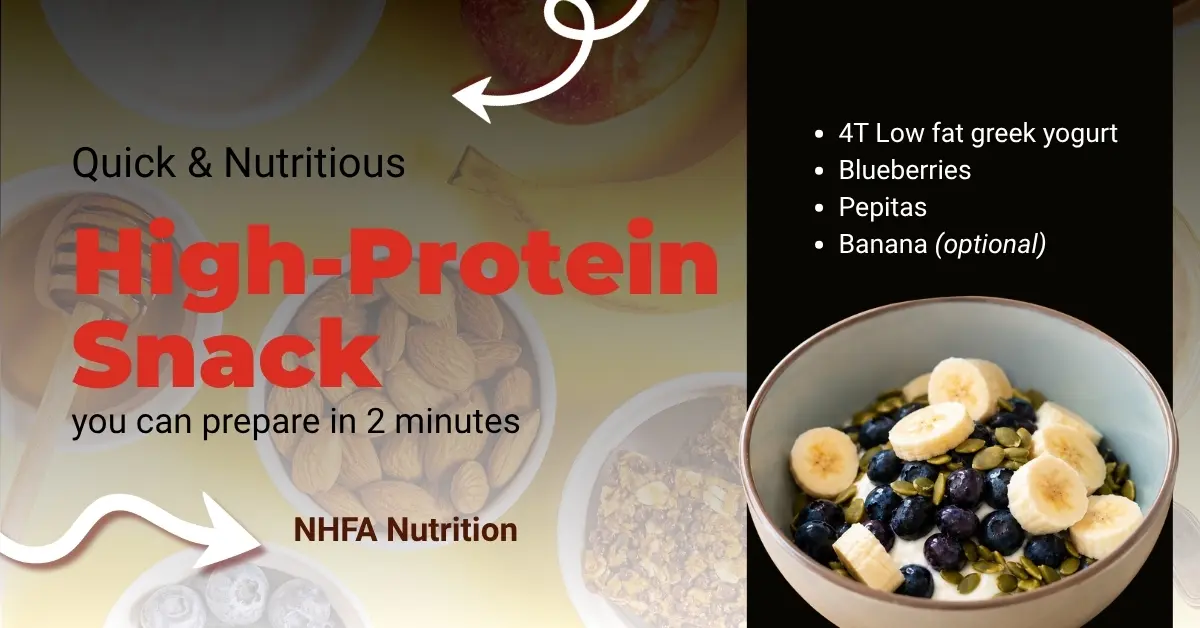
Planning simple snacks ahead of time can help keep your energy levels more consistent.
The most satisfying snacks usually combine protein with fibre, helping you stay fuller for longer.
Some practical ideas include:
- Greek yoghurt with berries
- Apple slices with peanut butter
- Cottage cheese and wholegrain crackers
- Boiled eggs with cherry tomatoes
- A handful of mixed nuts and fruit
Eat More Colour
Adding more colourful fruits and vegetables isn’t just about vitamins.
These foods provide fibre, antioxidants and essential nutrients that support your body’s energy production and overall health.
Rather than trying to dramatically change your diet overnight, simply challenge yourself to include a variety of colours across your meals during the week.
Small improvements often become lasting habits.
Prioritise Consistency Over Perfection
Many people lose energy because they’re constantly cycling between restrictive diets and overeating.
Healthy eating doesn’t need to be perfect.
Aim for nutritious choices most of the time while allowing flexibility for social occasions and foods you enjoy.
Building habits you can maintain for months and years will always produce better results than chasing short-term diets.
Nutrition Works Best Alongside Good Lifestyle Habits
Food is only one piece of the puzzle.
Your energy levels are also influenced by:
- Sleep quality
- Regular physical activity
- Stress management
- Hydration
- Recovery
When these habits work together, you’ll often notice greater improvements than focusing on nutrition alone.
Small Habits Create Lasting Results
Improving your nutrition doesn’t require a complete lifestyle overhaul. Often, it’s the smallest habits repeated consistently that have the biggest impact.
Choosing balanced meals, including enough protein, staying hydrated and preparing nutritious snacks ahead of time can all help you feel more energised, improve concentration and support your overall wellbeing.
Rather than searching for the perfect diet, focus on building routines that fit your lifestyle and can be maintained over the long term.
At NHFA, we believe good nutrition should be practical, sustainable and backed by evidence; not trends. Whether you’re looking to improve your own health or develop the knowledge to support others, understanding these everyday nutrition principles provides the foundation for lifelong wellbeing and more confident coaching.
Key Takeaways
- Consistent energy starts with sustainable nutrition habits, not restrictive diets.
- Include protein with each meal to support satiety and steady energy.
- Choose high-fibre carbohydrates to provide longer-lasting fuel.
- Stay hydrated, as even mild dehydration can contribute to fatigue.
- Prepare high-protein snacks in advance to make healthy choices easier during busy days.
- Eating a variety of colourful whole foods helps provide the nutrients your body needs to function at its best.
- Small, consistent habits are far more effective than striving for perfection.
Final Thoughts
Feeling more energised doesn’t usually come from one superfood or one perfect meal. It comes from the habits you practise every day.
When you consistently fuel your body with nourishing foods, stay hydrated and plan ahead for busy days, you’ll not only support your energy levels but also build a healthier relationship with food. Over time, these small choices become part of your lifestyle, making healthy eating feel less like a challenge and more like second nature.
The goal isn’t perfection. It’s creating habits that help you feel your best, one meal at a time.