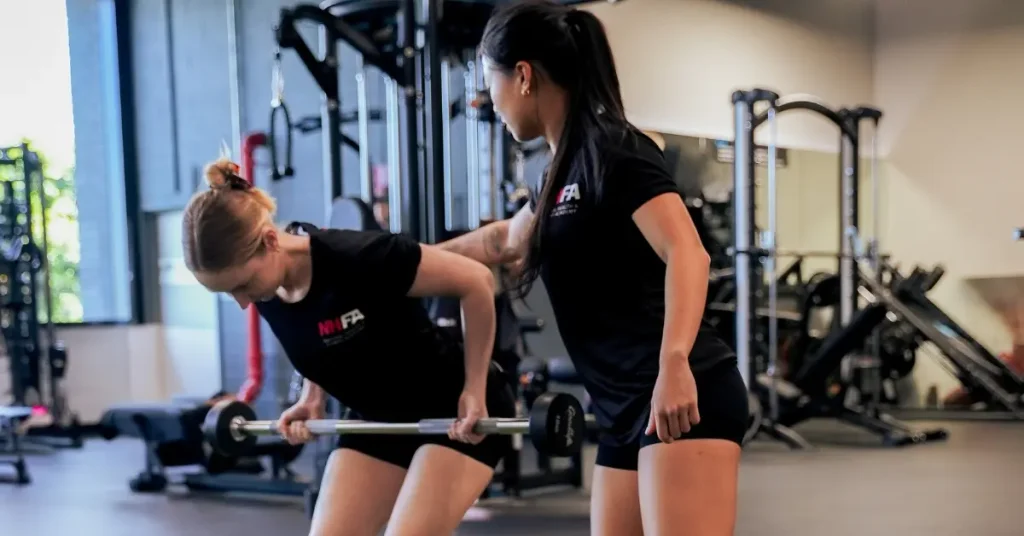
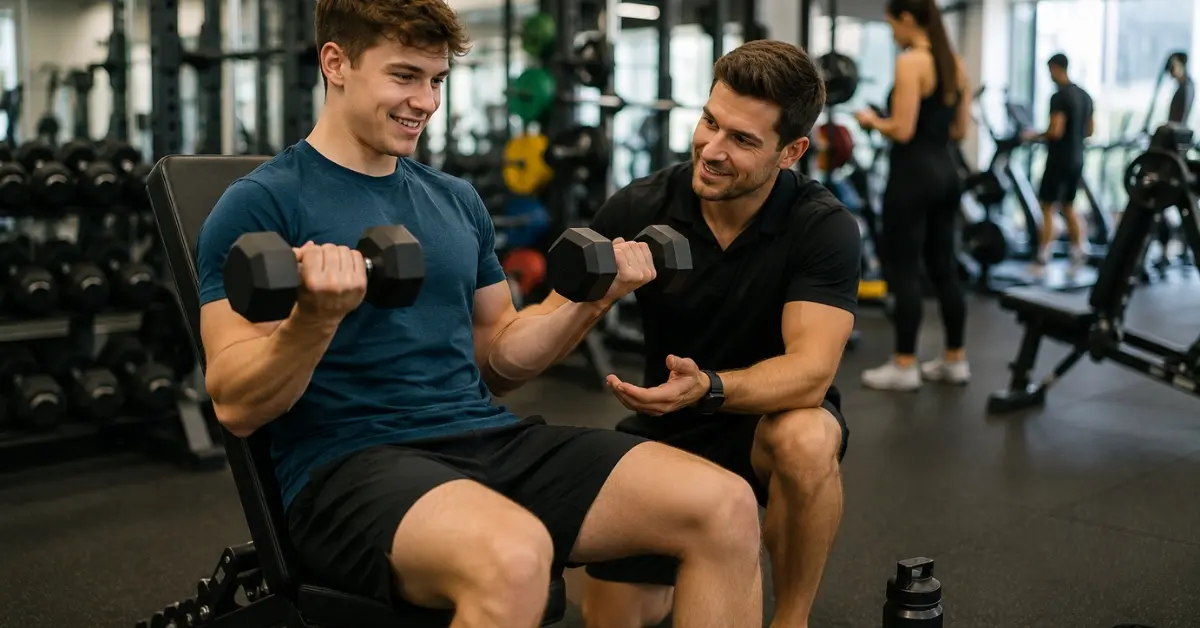
If you’ve ever walked into a gym and headed straight for the treadmill because the weights section felt intimidating, you’re not alone.
Strength training has long carried the reputation of being something reserved for bodybuilders, athletes, or experienced gym-goers. Scroll through social media and you’ll see people deadlifting enormous weights or performing complex exercises, making it easy to think, “I’m not ready for that.“
The reality couldn’t be more different.
Strength training is one of the most valuable forms of exercise for people of all ages and fitness levels. Whether your goal is to lose weight, build muscle, improve your health, move without pain, or simply feel stronger in everyday life, resistance training belongs in your routine.
The best part? You don’t need years of experience or a fully equipped gym to get started. What you need is a clear understanding of the fundamentals and the confidence to begin.
What Is Strength Training?
Strength training is any form of exercise that challenges your muscles against resistance.
That resistance can come from:
- Free weights such as dumbbells, barbells and kettlebells
- Resistance bands
- Weight machines
- Medicine balls
- Your own bodyweight through movements like squats, push-ups and lunges
When muscles are challenged, the muscle fibres experience micro-tears. During recovery, your body repairs these fibres so they become stronger and more capable of handling future demands.
Over time, this process leads to improvements in strength, muscle mass, coordination and overall physical function.
Contrary to popular belief, strength training isn’t just about building bigger muscles. It’s about building a body that performs better in everyday life.
Why Strength Training Matters
Many people still associate fitness with endless cardio sessions. While cardiovascular exercise plays an important role in health, strength training delivers benefits that cardio alone simply can’t provide.
Increased Muscle Strength
Perhaps the most obvious benefit is becoming physically stronger.
Tasks like carrying groceries, lifting children, climbing stairs or moving furniture become noticeably easier as your strength improves.
Better Bone Health
Resistance training stimulates bone growth and helps maintain bone density as we age. This becomes increasingly important for reducing the risk of osteoporosis and fractures later in life.
Improved Metabolism
Muscle tissue requires more energy to maintain itself than fat tissue, even while you’re resting. Building lean muscle can contribute to a higher resting metabolic rate, meaning your body uses slightly more energy throughout the day.
Strength training has many benefits on its own, but when combined with balanced nutrition, it can be especially effective for improving body composition.
Better Posture and Reduced Injury Risk
Strong muscles support healthy joints.
Building strength in the major muscle groups and deep stabilising muscles that support the major joints can improve posture and reduce the risk of common injuries.
Mental Wellbeing
Strength training isn’t only physical.
Many beginners discover that consistently becoming stronger builds confidence well beyond the gym. Seeing measurable progress, lifting heavier weights or mastering new movements creates a genuine sense of achievement.
Common Myths That Stop Beginners
One of the biggest barriers isn’t the exercises themselves—it’s the misconceptions surrounding them.
“I’ll get too bulky.”
This remains one of the most common concerns, particularly among women.
Building significant muscle size requires years of dedicated training, progressive overload, specific nutrition and, in many cases, favourable genetics. Most beginners instead develop a leaner, firmer and stronger physique.
“I’m too old to start.”
Strength training benefits people at every stage of life.
Research consistently shows that older adults improve strength, balance, mobility and independence through resistance training. It’s never too late to become stronger.
“Cardio burns more calories.”
While cardio certainly burns calories during exercise, strength training offers benefits that extend well beyond the workout itself by preserving muscle mass and supporting long-term metabolic health.
The most effective fitness plans typically include both.
The Seven Fundamental Movement Patterns
Rather than memorising dozens of individual exercises, beginners are better off learning the fundamental movement patterns that form the foundation of effective strength training.
These movement patterns train your body to move efficiently, build balanced strength, and develop the coordination you’ll use both in the gym and in everyday life.
1. Squat
Examples include:
- Bodyweight squat
- Goblet squat
- Barbell back squat
Squats strengthen the quadriceps, hamstrings, glutes and core while improving lower-body function.
2. Hinge
Examples include:
- Romanian deadlift
- Hip hinge
- Deadlift
These movements develop the posterior chain, including the glutes, hamstrings and lower back.
3. Push
Pushing movements develop strength through the chest, shoulders and triceps while improving upper-body stability.
Horizontal Push
Examples:
- Push-Up
- Bench Press
- Tricep Dips
Vertical Push
Examples
- Dumbbell Shoulder Press
- Barbell Overhead Press
- Arnold Press
Training both horizontal and vertical pushing movements helps create balanced upper-body strength and improves functional movement in everyday activities.
4. Pull
Pulling movements strengthen the muscles of the upper back, lats, biceps and rear shoulders while supporting healthy posture and shoulder function.
Horizontal Pull
Examples:
- Seated Cable Row
- Chest-Supported Row
- Dumbbell row
Vertical Pull
Examples:
- Lat Pulldown
- Assisted Pull-Up
- Chin-Up
Pulling movements improve posture and build strength through the upper back and arms.
5. Lunge
Lunge patterns improve balance, stability, coordination and help identify and correct strength imbalances between each side of the body.
Examples:
- Static Lunge (Split Squat)
- Step-Up
- Curtsy Lunge
Lunge patterns improve unilateral strength and closely mimic many movements performed in everyday life and sport.
6. Rotation / Anti Rotation
Your core does far more than help you achieve visible abs. Its primary role is to transfer force, stabilise the spine and control movement.
Rotation Exercises
Examples:
- Russian Twist
- Cable Woodchop
- Medicine Ball Rotational Throw
Anti-Rotation Exercises
Examples:
- Pallof Press
- Bird Dog
- Single-Arm Farmer’s Carry
Developing rotational and anti-rotational strength improves core stability, balance and injury resilience while enhancing overall athletic performance.
7. Carry
Examples:
- Farmer’s Carry
- Suitcase Carry
- Overhead Carry
Carries are one of the most functional exercises you can perform. They develop grip strength, core stability, posture and total-body coordination while teaching the body to stabilise under load.
How Often Should Beginners Train?
More isn’t always better.
When you’re just starting out, you don’t need to spend hours in the gym or train every day to see progress.
In fact, two to three strength-training sessions each week is enough for most beginners to build strength, improve fitness and develop good movement habits.
Rather than splitting your workouts into “leg day” or “chest day”, beginners often benefit most from full-body sessions. This simply means each workout includes exercises for your major movement patterns such as a squat, push, pull and hinge, allowing you to practise key movements more frequently while giving your muscles plenty of time to recover.
A beginner session might include five or six exercises and take around 45 to 60 minutes to complete.
Allow at least one day between strength sessions gives muscles time to recover and adapt.
How Much Weight Should You Lift?
A common question beginners ask is:
“How heavy should I go?”
The answer is surprisingly simple.
Choose a weight that allows you to complete your planned repetitions with good technique while still feeling challenged during the final few reps.
If you could easily perform another ten repetitions, it’s probably too light.
If your form breaks down halfway through the set, it’s too heavy.
Good technique should always come before heavier weights.
The Importance of Progressive Overload
Your body adapts quickly.
If you continue lifting exactly the same weight for the same repetitions every week, progress eventually stalls.
Progressive overload simply means gradually increasing the challenge over time.
This can be achieved by:
- Increasing the weight
- Performing additional repetitions
- Adding another set
- Variations in tempo
- Reducing rest periods when appropriate
Small improvements performed consistently lead to significant long-term progress.
Recovery Is Part of Training
Muscles don’t become stronger during your workout.
They become stronger while recovering afterwards.
Quality recovery includes:
- Sleeping seven to nine hours each night
- Eating enough protein to support muscle repair
- Staying hydrated
- Managing overall stress
- Allowing adequate recovery between training sessions
Skipping recovery often limits progress far more than skipping a workout.
Nutrition Supports Strength
You don’t need a perfect diet to start strength training, but nutrition plays an important supporting role.
Aim to include:
- A quality protein source with each meal
- Plenty of vegetables and fruit
- Variety of carbohydrates to support training and recovery
- Healthy fats like avocado, oily fish, nuts and seeds
- Sufficient water throughout the day
Many beginners underestimate how much nutrition influences performance, recovery and long-term results.
Strength is built both inside and outside the gym.
Mistakes Beginners Should Avoid
Everyone starts somewhere, but avoiding these common mistakes can make your journey far more enjoyable.
Trying to do too much too soon. Motivation is high in the beginning, but jumping into six-day training weeks often leads to burnout. Build sustainable habits first.
Ignoring technique. Good movement quality builds long-term progress. Poor technique increases injury risk and limits results.
Changing programs every week. Consistency beats novelty. Give your body time to adapt before chasing the next trend.
Comparing yourself to others. Everyone begins at a different starting point. Focus on becoming stronger than you were last month, not stronger than the person training beside you.
Getting Started Is Simpler Than You Think
Strength training doesn’t require expensive equipment, advanced knowledge or years of experience.
It begins with learning a handful of fundamental movements, training consistently and allowing time for your body to adapt.
The first few sessions may feel unfamiliar. That’s completely normal. Every experienced lifter once stood exactly where you are now.
The goal isn’t to lift the heaviest weight in the gym. It’s to build a stronger, healthier and more capable version of yourself, one workout at a time.
And if, somewhere along the way, you find yourself fascinated by how the body adapts, how movement can change lives, or how great coaching creates lasting results, you may discover that strength training becomes more than a personal habit. For many people, it’s the beginning of a lifelong passion for health, fitness and helping others.
At NHFA, we believe practical fitness education should build real capability, not just knowledge. Whether you’re taking your first steps in strength training or considering a future in the fitness industry, understanding these foundations is where lasting progress begins. That’s the same philosophy that underpins every NHFA course: practical skills, clear guidance and confidence built through real-world application.