
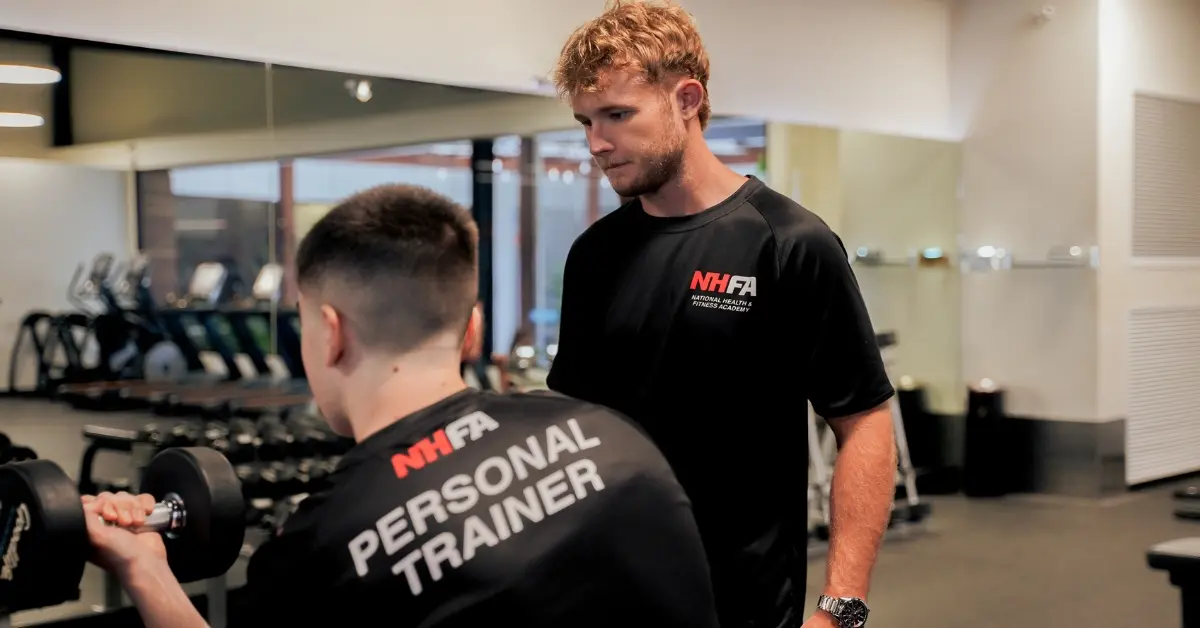
One of the biggest misconceptions in the fitness industry is that clients leave because they’ve lost motivation.
In reality, that’s rarely the whole story.
Many Personal Trainers experience a similar pattern. A new client begins with enthusiasm, attends sessions consistently, and makes encouraging progress during the first few weeks. Then, somewhere around the three-month mark, attendance becomes inconsistent. Communication slows. Eventually, the client stops booking sessions altogether.
For many coaches, this becomes an accepted part of the profession.
But it doesn’t have to be.
While some client turnover is inevitable, experienced coaches understand that long-term retention is rarely determined by motivation alone. More often, it’s influenced by the quality of the coaching experience that exists once the initial excitement begins to fade.
The First 12 Weeks Are Driven by Motivation. The Next 12 Are Driven by Coaching.
The beginning of any fitness journey is exciting.
Clients are committed to change. They’re motivated by a new goal, encouraged by early progress, and often willing to make significant lifestyle adjustments. During this stage, consistency usually comes naturally because momentum is high.
The challenge begins when progress slows, routines become familiar, and life inevitably starts competing for attention.
This is the point where coaching becomes far more important than programming.
The Personal Trainers who retain clients long term recognise that motivation is temporary. Rather than relying on enthusiasm to carry clients forward, they build systems that help people stay engaged when motivation naturally fluctuates.
Clients Don’t Stay for Workouts Alone
One of the biggest shifts new Personal Trainers experience is realising that clients rarely continue paying for exercise programming alone.
Most clients cannot distinguish between a good program and an exceptional one.
What they do recognise is how they feel throughout the coaching experience.
Do they feel supported?
Do they feel understood?
Do they feel accountable?
Do they feel like someone genuinely cares about their progress?
These questions often have a greater influence on retention than the exercise selection itself.
The best Personal Trainers understand that while programming delivers results, relationships create longevity.
Progress Isn’t Always Measured on the Scales
One of the most common reasons clients become discouraged is because they begin measuring success too narrowly.
When progress is defined only by body weight or physical appearance, motivation can disappear quickly during inevitable plateaus.
Great coaches broaden the conversation.
They help clients recognise improvements in strength, movement quality, confidence, energy levels, consistency, sleep, and overall wellbeing. By celebrating these milestones, clients begin to see that progress is still happening, even when the scales remain unchanged.
This shift in perspective keeps clients connected to the process rather than becoming fixated on a single outcome.
Accountability Should Evolve as Clients Progress
Many Personal Trainers associate accountability with showing up to scheduled sessions.
Early in the coaching relationship, this may be enough.
However, as clients become more familiar with their routine, accountability needs to evolve beyond the gym floor.
The coaches who retain clients successfully often create regular opportunities for reflection and conversation. They review goals, acknowledge progress, adjust expectations, and maintain consistent communication between sessions.
These interactions reinforce that coaching extends beyond the hour spent training together.
Clients aren’t simply paying for workouts.
They’re investing in ongoing guidance.
Long-Term Coaching Is Built on Trust
Every client relationship reaches a point where technical knowledge becomes less important than trust.
Clients want to know their coach understands them.
They want someone who listens when life becomes difficult, adapts programs when circumstances change, and provides reassurance when progress feels slow.
This is where communication becomes one of the most valuable coaching skills a Personal Trainer can develop.
Exercise science may help clients begin their journey.
Trust is often what encourages them to stay.
Retention Is Good for Clients and Essential for Your Career
Client retention isn’t simply a business metric.
It’s often a reflection of coaching quality.
When clients remain engaged over months or years, they’re more likely to achieve sustainable results, build lasting habits, and experience meaningful lifestyle change.
For Personal Trainers, long-term retention also creates a more stable and rewarding career.
Stronger retention often leads to:
- More predictable income
- Greater client referrals
- Stronger professional reputation
- Less time spent replacing lost clients
- More opportunities for long-term business growth
The most successful Personal Trainers rarely build their careers by constantly finding new clients.
They build them by consistently looking after the clients they already have.
Great Coaching Extends Beyond the Session
As the fitness industry continues to evolve, clients are placing greater value on coaches who provide support beyond scheduled appointments.
Whether it’s regular communication, progress reviews, habit coaching, or ongoing accountability, today’s clients expect a more complete coaching experience than simply being taken through a workout.
This doesn’t require coaches to do more.
It requires them to coach more intentionally.
The Personal Trainers who create exceptional client experiences understand that every interaction contributes to trust, engagement, and long-term success.
Final Thoughts
The best Personal Trainers aren’t necessarily the ones with the most advanced programming knowledge.
They’re the ones who know how to keep people engaged long after the initial excitement has worn off.
They understand that lasting client relationships are built through communication, accountability, trust, and a genuine commitment to helping people succeed.
These are coaching skills that develop through education, practical experience, and working with real clients, not simply by learning how to write better programs.
At NHFA, this philosophy sits at the heart of the SIS30321 Certificate III in Fitness and SIS40221 Certificate IV in Fitness. Students learn far more than exercise programming. They develop the practical coaching, communication, and behaviour-change skills required to create meaningful client experiences and build long-term careers as Personal Trainers.
Because the fitness industry doesn’t simply need coaches who can deliver great workouts.
It needs coaches who can build lasting relationships, create sustainable results, and support clients through every stage of their journey.
And those are the coaches clients choose to stay with.